-
Best of 2023: Gigs
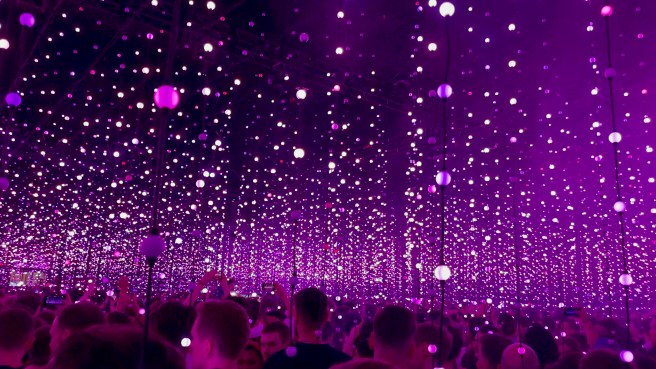
I went to twelve (I think) gigs this year; these were the best (in chronological order).
Four Tet at Alexandra Palace (May)
Just a stunning gig. The combination of spatial audio and the gorgeous lights was mesmerising, and he’s an absolute master at taking you through a set with no lulls or weird transitions. You can listen to a version of it here.
U2 (and Lady Gaga) at the Sphere (October)
This is the most incredible venue in the world. From the very first second of the gig, where the “bricks” on the screen start crumbling and the wall starts to “open up”, my jaw was on the floor, and that lasted till the end. I had really high hopes for the venue, but it completely outdid them. Videos like this do it some justice, but not much; you truly have to visit in person. It’s the biggest spectacle you’ll ever see; a screen that overwhelms and envelops you, paired with near-perfect sound, leading to an indescribable experience. I cannot wait to go back.
All that, though, is about the venue — as that’s why I went. I’m not a U2 fan, but they were pretty good! I thought their set took good advantage of the space, though there were too many lulls where the screen wasn’t being used enough. And they’re good performers, Bono especially. Lady Gaga appearing for some duets was a particular highlight, though.
Rihab Azar at Shoreditch House (November)
This was a very short, 20 minute set from an artist I was totally unfamiliar with, but it was totally transportive. The oud is such a wonderful, underrated instrument, and Azar plays it beautifully.
Other things I saw this year: JamieXX at Printworks (very good, very eclectic); Rival Consoles at the Barbican (like being bathed in noise); Beyoncé at Tottenham Hotspur Stadium (good spectacle but underdelivered); Jon Hopkins at BBC Proms (pretty great, and his new composition Athos is very good, though some of the other arrangements were a bit too dramatic); Max Richter at BBC Proms (lovely); Repercussion at Warehouse Project (Moderat were amazing, Jon Hopkins was fine, Bicep were underwhelming); RY X at St Paul’s Cathedral (cool to have electronic music in a venue like this, though the acoustics don’t really work for it); Four Tet at Finsbury Park (good, but last year’s was better); Max Cooper at EartH (good, and great visuals, but his Roundhouse gig last year was better).
-
Infrastructure is good
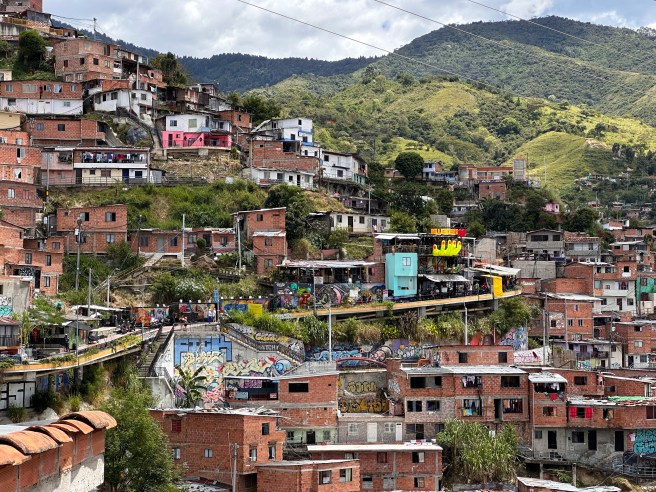
I’ve been blown away by the incredible infrastructure in Colombia, and the remarkable speed at which stuff is built. This is most evident in Medellin: a city which, 30 years ago, saw over 6,000 murders a year, but is now a thriving, cosmopolitan metropolis.
Take a look at the city’s metro map:
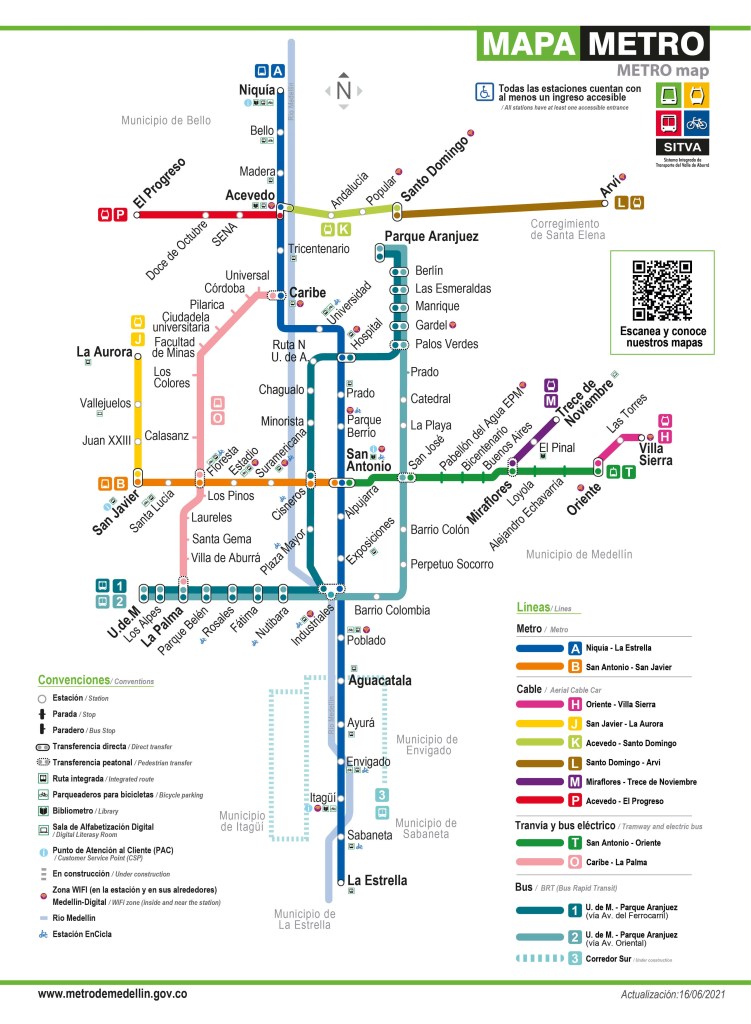
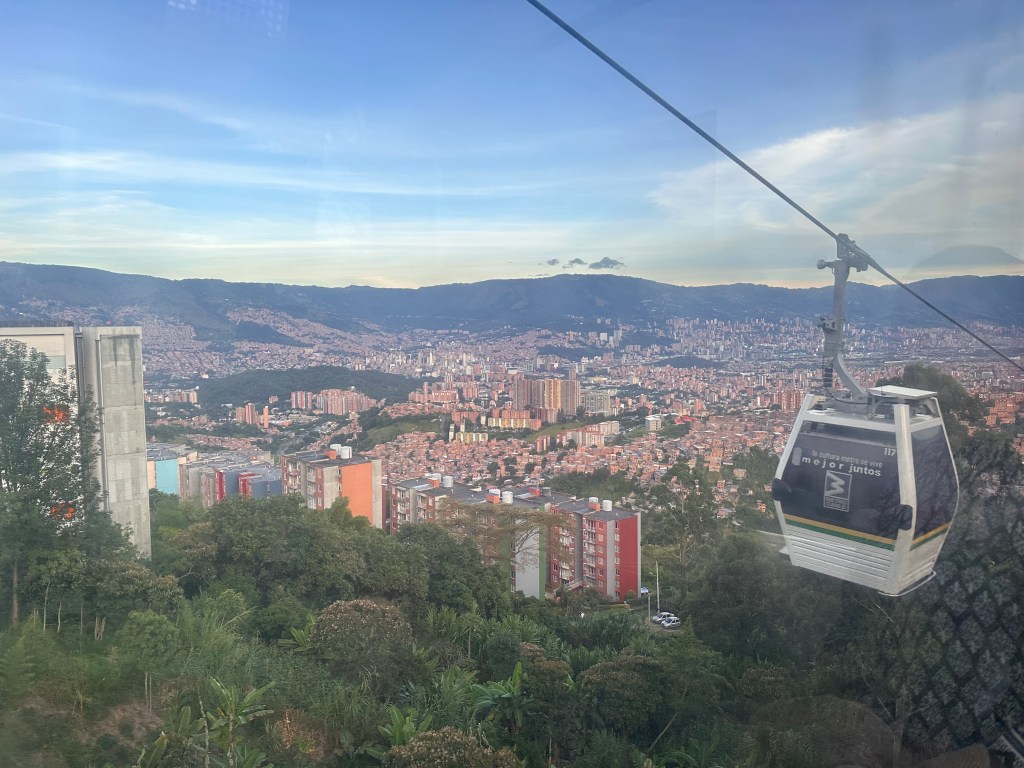
Along with two metro lines, trams and rapid bus transit, Medellin has an extensive network of cable cars. The first line (which cost just $26m) opened in 2004, with five more lines added since. Riding the cable car is incredibly cheap (about $0.70 per journey) — so it’s become incredibly popular with locals. Around 16 million people now ride it each year.
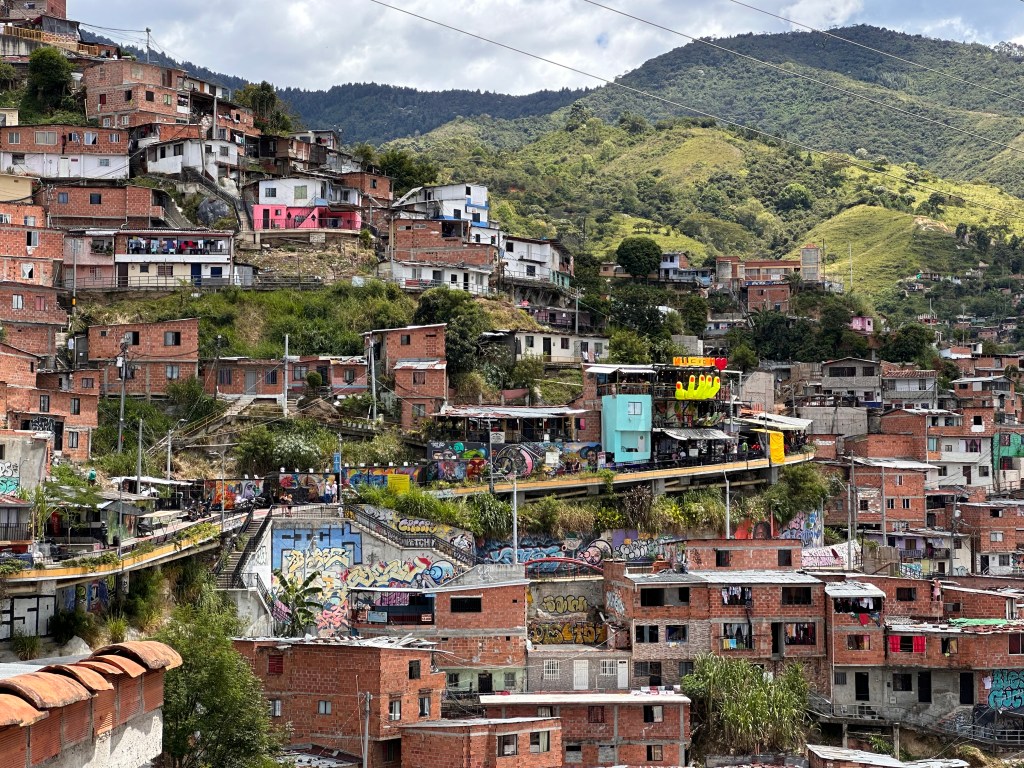
Then there’s Comuna 13, once one of the most dangerous neighbourhoods in the world. Perched on a steep mountain slope, getting around the comuna used to be a nightmare. But in 2011, a series of outdoor escalators opened — at a cost of just $7m. Not only have they helped residents, they’ve also turned the neighbourhood into one of Colombia’s most popular tourist destinations. The sides of the escalators are now lined with bars, shops and art galleries.
The government is continuing to invest, too. In the past few years a gigantic viaduct has begun to open, creating a motorcycle route that connects various hillside neighbourhoods (including Comuna 13). According to our tour guide, this might end up being even more important than the escalators.
It’s not all about public transport, either. Take the Túnel de Oriente, a 5.1 mile tunnel that connects central Medellin to the airport. The tunnel, which has halved travel time, was built in just 4 years at a cost of ~$270m. The increased ease of access to the city is encouraging people to move out of central Medellin, turning nearby towns into part of the metropolitan area. Work has already begun on expanding the tunnel’s capacity, which should cut another 35% off travel time — meaning airport journeys will soon be just 30 minutes; down from about 90 minutes just a few years ago. There’s just one downside: though the tunnel is currently the second-longest in the Americas (second to another Colombian tunnel), it’s about to be bumped down to third … by yet another Colombian tunnel.
These are just the projects I encountered in a three day visit to the city — I’m sure there are dozens more I don’t know about. And all this has happened so cheaply, and so quickly. It’s hard not to draw comparisons to London (where the Elizabeth Line cost £19bn and took 13 years) or New York (where a new subway line is taking between 30 and 100 years, depending on how you count, at a cost of around $17 billion).
But even more than the impressive speed and efficiency, the most impressive part of Medellin’s infrastructure is the transformative effect it’s had. Riding the gleaming metro, it’s genuinely hard to picture that a few years ago it was completely unsafe to be here. Better infrastructure has clearly made Medellin a safer city. The data backs this up, too: one study found that the decline in homicide rates was 66% greater in neighbourhoods that got transit investment than those that didn’t.
It’s a humongous success story — and one the rest of the world could do well to learn from.
-
Places

Inspired by Patricia Hurducas and Michael Nielsen:
I’d like to go: Petra, Jordan; Yucatan/Mexico City/Oaxaca, Mexico; Iceland; Chicago, USA; Roden Crater, USA; Sossusvlei, Namibia; Marrakech/Casablanca/Tangier, Morocco; Machu Picchu, Peru; Lahore/Karachi/Islamabad/Kashmir, Pakistan; Kobe, Japan; Shanghai, China; Vancouver, Canada; Florence, Italy; Lagos, Nigeria; Mali; Sri Lanka; Vietnam; Iran; Syria; Lebanon; Poland; Georgia; Czechia; Croatia; Singapore; Mongolia; Myanmar.
I’d like to revisit: Tokyo, Japan; Grand Canyon, USA; Los Angeles, USA; Serengeti, Kenya; Maldives; Luxor, Egypt; Berlin, Germany.
Some of my favourite places: Chandni Chowk, India; Amazon Rainforest, Brazil; Parc des Buttes-Chaumont, France; Maldives; Kuzuko Lodge, South Africa; Volcanoes National Park, Rwanda; Angkor Wat, Cambodia; Hatshepsut Temple, Egypt; Tokyo, Japan; Hong Kong; Uluru, Australia; Great Barrier Reef, Australia; New York, USA; Istanbul, Turkey; Jerusalem, Israel; Skye, UK; London, UK.
-
Some good things, January-June 2023
Theatre etc.
My highlight so far this year is probably A Morte do Corvo, a Punchdrunk-inspired immersive production in Lisbon. I’ve been fortunate with a range of good immersive experiences: Phantom Peak, in London, was very silly but very fun; Heresy: 1897, in New York was a brilliantly difficult immersive escape room (with a coherent plot!); Saw: Escape Experience is too easy but has excellent production value; and The Burnt City continues to be excellent (though I think its impending closure is for the best, it is time for something new). The Grim, meanwhile, was a very unimpressive and somewhat repugnant immersive production.
On the conventional theatre front, I very much enjoyed Phaedra at the National Theatre. (Simon Stone is probably my favourite director today.) The Almeida’s Romeo and Juliet — currently playing! — was also very good. And I saw some pleasant, if not particularly memorable, other shows: The Return of Benjamin Lay, The Motive and the Cue, Women Beware The Devil and Medea. I’m excited for the upcoming theatre season, which looks quite a lot better.
There were two very different magic shows in London: Derren Brown’s Showman, which was very good but not his best; and Penn & Teller, which was fine but a little lacklustre.
Also some good dance productions: Creature by Akram Khan was quite nice but Woolf Works was stupendous. Sadly the other Wayne McGregor I saw, Untitled, was not very good. On the opera front, Akhnaten was spectacular.
Books
Nothing so far has truly blown me away. Small Things Like These came closest — it’s heartbreaking — and The Glass Hotel was also very good. Babel, Trust, and the Biography of X are all also good, but not groundbreaking. On the non-fiction side, Chip War, Parfit and The Alignment Problem are all pretty good but none are essential (though the former might be, depending on your semiconductor knowledge).
Art
Again, a rather mediocre six months. The big shows — Ai Weiwei and Cezanne in London, Yayoi Kusama and Georgia O’Keefe in NYC — were all just fine. Souls Grown Deep Like The Rivers was rather good, as was Lynette Yiadom-Boakye at Tate Britain. But my highlight has to be the permanent collection at the excellent National Gallery in DC — the Rothko/Newman rooms in particular are breathtaking.
Gigs
Four Tet’s Squidsoup show was incredible — just absolutely stunning, with a gorgeous set list and genius 360-degree sound system. Rival Consoles also put on an amazing show at the Barbican — he is incredible at taking you on a lengthy journey through noise. And I’ve already written about Jamie XX’s very fun and eclectic set at Printworks.
The biggest show I went to was Beyoncé’s, having bought a last minute ticket. She was very good with a technically impressive production, though the set was designed without viewing angles being taken into consideration (a pet peeve of mine). And I continue to think she’s a bit overrated — reviews called this the most impressive arena tour ever, but I personally think Lady Gaga’s Born This Way Ball topped it over a decade ago. (Also Beyoncé uses a teleprompter, which is a bit embarrassing.) Still, I had a lot of fun despite not really being a Beyoncé fan, so credit where it’s due.
Movies
Probably the medium where I’ve had the most luck this year. I’ve been watching lots of fantastic older movies: In the Mood for Love, Hiroshima Mon Amour and Casablanca all blew me away. Mulholland Drive and Inland Empire baffled me in a very pleasing way. La Dolce Vita, Vertigo and The Seventh Seal didn’t quite connect with me, but are impressive nonetheless. When Harry Met Sally, Scream, and Legally Blonde are all a lot of fun. Some recent-ish gems, too: Ford vs. Ferrari (which I watched just before going to Le Mans) is excellent; so is Tripping With Nils Frahm, a gorgeous concert film.
Of new releases, Asteroid City is my highlight so far. I think it’s my favourite Wes Anderson, though I need to rewatch it — it moves very quickly. Across the Spider-Verse was very good, though worse than its predecessor; the same is true for John Wick: Chapter 4. I didn’t really get Decision to Leave, and M3gan didn’t quite live up to its potential.
Some of my favourites, though, were rewatches. Some movies, like Shutter Island and Saw, don’t hold up well on second viewing. Others really shine, though. Raiders of the Lost Ark is still fantastic. And rewatching The Dark Knight in IMAX was exhilarating.
-
Apple’s headset is the start of a platform shift

Tomorrow you’ll undeniably see a ton of dunks on Apple’s new XR headset for being too expensive and not having many concrete use cases. People will use it as an opportunity to write off VR/AR/XR altogether. That’s a mistake.
Some thoughts, with concrete predictions in parentheses:
My prediction: the headset being announced tomorrow is the first step on the road to augmented reality smart glasses. 10 to 15 years from now we’ll all be wearing such glasses (I predict with 70% confidence over 100m annual sales), and Apple will probably be the market leader (60%). They’ll have a deal with one or more major eyewear manufacturer to create different styles of the smart glasses (40%).
The rise of smart glasses as a new platform will lead to new methods of computing interaction (80%) and a new wave of tech companies (80%). Just like we wouldn’t have necessarily predicted that the iPhone would lead to Uber/Instagram, some of the most popular new use cases will be surprising (90%).
TL;DR: I think you will be able to chart the history of computing as mainframes > PCs > smartphones > smart glasses. We’re on the cusp of a new platform shift, and if you work in tech (or media!) you ignore that at your peril.
-
Where I recommend people go in Paris
Sometimes people ask what to do and where to eat in Paris; this is what I tell them:
- Bouillon Chartier (the one next to Grands Boulevards)
- Du Pain et des Idées, order the pistachio escargot
- Have a picnic in Buttes-Chaumont
- Hang out by the Canal Saint-Martin
- The falafel place is very overrated
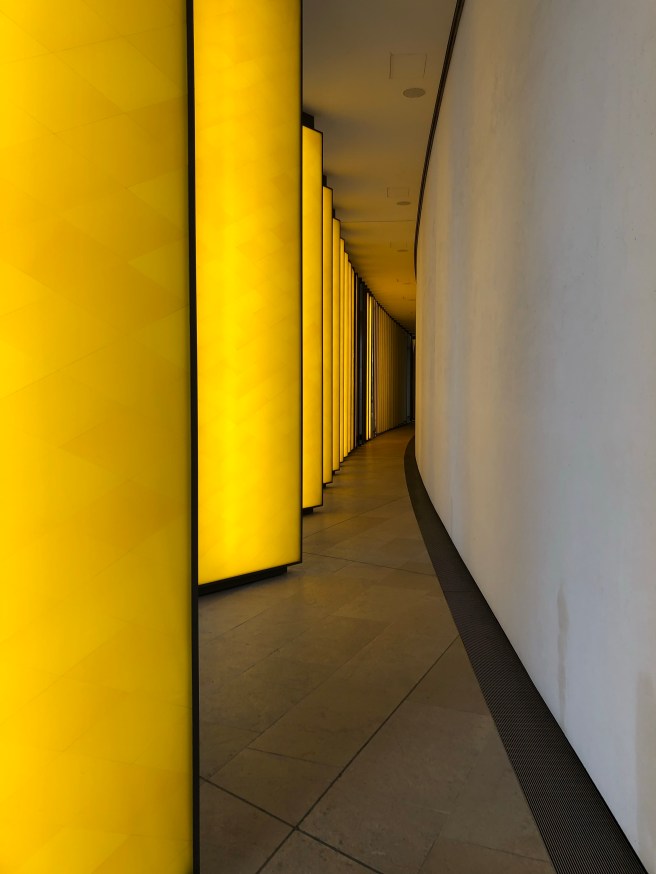
- Fondation Louis Vuitton is very good, as is Centre Pompidou
- The Louvre is fine but much too big; you might prefer d’Orsay
- The Orangerie is essential
- A day trip to Versailles is worth it; go to the Alain Ducasse café there and order chocolatey things
- Galeries Lafayette is a stunning building; so is Sainte-Chapelle
I have yet to read Jonathan Nunn’s coverage of Parisian restaurants but I bet it’s quite good.
-
Some thoughts on Rome (and Italy)
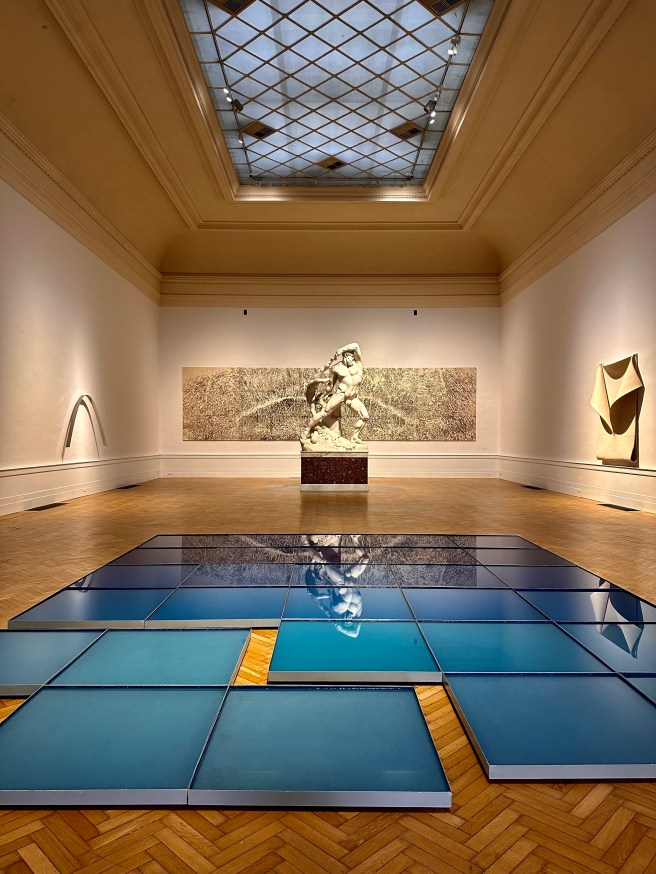
Rome is a very good food city, but not a great food city. I went to many of the most highly recommended restaurants; they were all good but I think I will struggle to remember all but one a year from now.
(The one I will remember is Santo Palato, which was divine. L’Elementare and Felice a Testaccio were very good too. Cesare al Castelleto and Romanè were good but I didn’t really get the hype.)
This chimes with my experience of Venice and Lake Garda last year; the only meal I remember from then is Lido 94. Being in Italy is a good reminder of how invented some of the narratives about Italians and food are; much of what “everyone knows” is in fact just conservative nationalistic propaganda of the worst kind.
Taking things slowly is essential. Reports of overcrowding were (the week of Easter, at least), greatly exaggerated. Buy tickets online and in advance and you’ll be fine, even in the Vatican (which is unmissable).
Vasari’s The Lives of the Artists is worth reading anyway; it’s especially worth reading when in Rome (and presumably Florence). Rick Steves’ app is also very good (I preferred reading the transcripts to listening). Make sure to visit the various churches that house important works; Sant’Agostino is my favourite.
The public transport is surprisingly good, and much better than it gets credit for. The soon-to-open new metro line should make that even better.
Italians have a reputation for being very friendly but I find that in reality this is rarely the case.
-
Some good music, April 2023
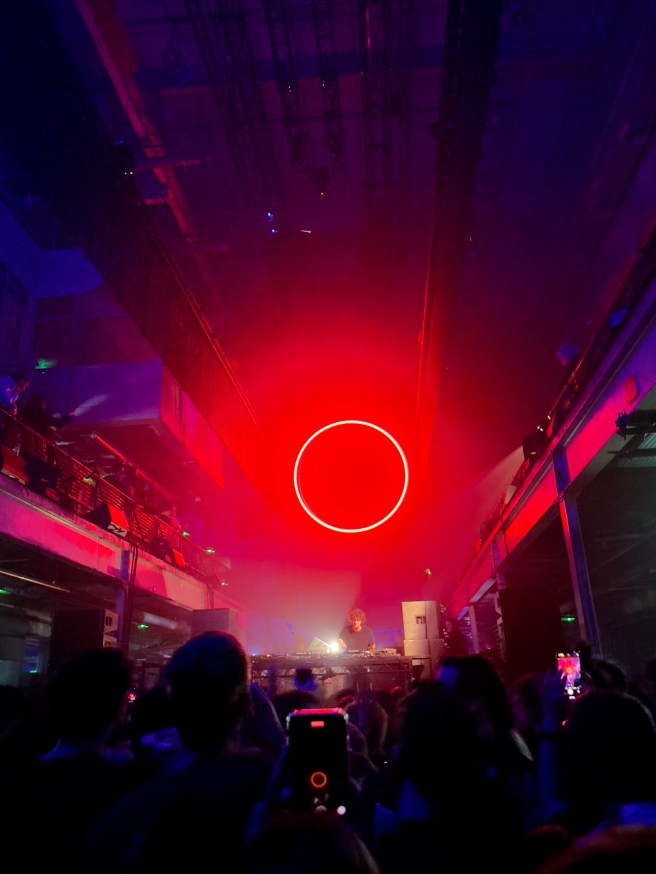
Jamie xx’s set at Printworks on 8/4 was excellent: delightfully eclectic and constantly surprising. I’m not sure if anyone recorded it; I really hope they did.
Beforehand, I listened to his Gil Scott-Heron remix album, We’re New Here. The first time I heard this it did nothing for me; the second time it totally enraptured me. It’s really beautiful, and I’m baffled why it didn’t connect with me initially. (I also hadn’t put it together that this was the same Scott-Heron as Whitey On The Moon and The Revolution Will Not Be Televised, both of which you probably know but are always worth revisiting.)
Being at Printworks prompted me to finally listen to Bicep’s Printworks set; this one gives you exactly what you’d expect (no surprise drops here) but it does so pretty excellently.
In the music/theatre category, I saw the Woolf Works ballet a couple weeks ago; it was stunning and gave me new appreciation for Max Richter’s incredible score. And Akhnaten was wonderful to see live. Vincenzo Lamagna’s score for Creature, another ballet, was lovely but I doubt I’ll listen to it again.
-
Some good things, May/June 2022

Books
In the last couple months I read two of the best books I’ve read in a long time: The Dream Machine, on the very early history of Silicon Valley, and Regenesis, on the agricultural future we need to build. Both highly recommended. I also wrote a list of my five favourite books on Silicon Valley for The Economist, you can read that here.
TV
I finally started For All Mankind and it’s as good as everyone says it is.
Restaurants
40 Maltby Street continues to fire on all cylinders. In Cornwall, I had an unbelievably good strawberry and honeycomb dessert at North Street Kitchen, great spider crab croquettes at Pintxo and a phenomenal tartine at Coombeshead Farm. But the highlight of the last month was my trip to Queens Night Market in New York, which somehow managed to exceed my very high expectations. Nansense‘s chapli kebab smash burger was revelatory.
Theatre
The Father and the Assassin was very good, and revived my interest in India/Pakistan history. Ivo’s Age of Rage was also good, but the weakest of his “epic” trilogy. Hans Kesting was great, as ever, but it was very interesting to watch Édouard Louis play himself in Who Killed My Father — I think he probably did a better job than Kesting. The buzziest thing I saw was That Is Not Who I Am, which was very good, but didn’t deliver on the weird gimmick it’s framed as.
Art
The Guggenheim’s Vasily Kandinsky exhibition is great; a rare example of an artist who got better with age. But the best thing I’ve seen in ages was Cornelia Parker at Tate Britain: the art is great by itself, but her intellectual curiosity means it’s even better when you read the accompanying descriptions. Highly recommended.
-
Cultural philanthropy: Influencing the culture to improve the world
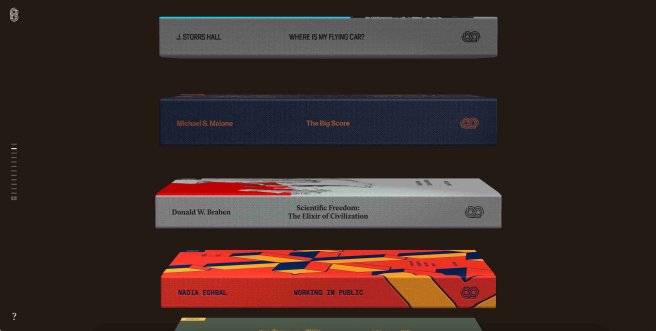
Disclosure: I personally know some of the people discussed in this article.
When you decide to use your money to do good, you’re presented with a plethora of options. You might purchase malaria nets, or give direct cash transfers to the world’s poorest. You could fund research on AI safety, or lobby for new climate change policies. Or you could walk down the street and give some money to a homeless person in your community.
But there is another kind of philanthropy—one that is much less common, but growing in importance. It’s based on the idea that the culture we live in influences the decisions of everyday people, entrepreneurs and policymakers. Recognising that influence, this kind of philanthropy wants to change that culture.
I’m going to call this “cultural philanthropy”. It is very distinct from other forms of supporting culture, e.g. building a new wing at the Met or paying for stage-hands’ balaclavas at the Royal Opera House (no, seriously). That kind of philanthropy is done out of a general love for the arts (and, often, a desire for status). “Cultural philanthropy”, as I use the phrase, is specifically defined by a clear theory of change: the idea is to use culture to disseminate ideas that will go on to change the world.
Stripe and its founders, the Collison brothers, are two prominent examples of cultural philanthropists. Stripe Press, a publishing division of the payments giant, produces books, articles, podcasts and films with a view to improving the world. Whether exploring why technological development has stalled or advocating for better heat systems, Stripe Press is laser-focused on diagnosing the world’s problems and offering solutions. Neither Stripe nor the Collisons will directly make money from this (though they do hope that by increasing “the GDP of the internet”, Stripe will be able to take a cut). The primary motivation is altruistic. The hope, it seems, is that distributing these ideas might make people think about things differently, encouraging them to make better decisions, which will in turn put humanity on a better path.
Sam Bankman-Fried, a crypto billionaire and effective altruist, is another advocate for cultural philanthropy. His FTX Future Fund is explicit about it: its website claims that “books and media are enormously important for exploring ideas, shaping the culture, and focusing society’s attention on specific issues.” Unlike the Collisons, who are doing much of this culture-changing-work in-house, SBF takes a more distributed approach: he’s funding a $500,000 blogging prize for “effective ideas”. This is similar to some of the work Dustin Moskovitz and Cari Tuna, two other effective altruists, fund through Open Philanthropy, their foundation. Open Philanthropy has recently given grants to YouTubers promoting effective altruist ideas. And while it appears to be picking up steam, cultural philanthropy isn’t entirely new: the Rockefeller Foundation’s previous support for Future Perfect and the Gates Foundation’s support for The Guardian are older examples (though still quite recent!).
You might draw parallels between this and the billionaires who philanthropically own news outlets, such as Jeff Bezos with The Washington Post, Marc Benioff with Time and Laurene Powell Jobs with The Atlantic. But this is different. For one, those organisations are still run somewhat like a business—profit is not an afterthought. More importantly, Bezos, Benioff and Powell Jobs all seem interested in the idea of journalism in and of itself, as being key to a healthy democracy. They are less interested in the specific ideas those publications disseminate, and they don’t have nearly as much editorial control over them.1
Nor is it quite like the Murdochian approach to media. Rupert Murdoch’s outlets are certainly no stranger to advocacy, but I don’t think they promote those ideas because he wants the world to be a certain way. He instead chases audiences, profit and power for its own sake. (The Sun switching from supporting the Tories to Labour and back again is a good example of this, as is his reluctance to back Trump at the beginning of his 2016 campaign. Murdoch just wants to back winners.)
If there is an analog to the Collison-SBF-Moskovitz approach, it is billionaire funding of think tanks. In both cases, the hope is to spread valuable ideas. But rather than doing all the work in house and taking a narrow focus on who might receive the ideas, the new approach takes a more bottom-up approach, finding ideas where they might arise, and hoping they take root in the culture.2 (It is not a coincidence, I think, that two of the people leading Stripe Press’s Works In Progress are former think-tankers; nor that the Collisons, SBF and Open Philanthropy all also fund the new Institute For Progress think tank).
The strategy has a plausible, if uncertain, theory of change. Matthew Yglesias summed it up quite well while discussing Future, a much-hyped online publication from Andreessen Horowitz:
“I think to make pro-tech, pro-markets, pro-innovation sustainable, you need a public culture that reflects those values. That means publications that propound them.”
Like many of the philanthropists funding this work, I have a pro-tech, pro-markets and pro-innovation worldview—which means I view this sort of cultural philanthropy as something that could be really good for the world. But, as with all things, views differ. Reasonable people might dislike the views of SBF, Moskovitz and the Collisons. And some people funding similar projects have very different views: most notably Peter Thiel, who promotes views I find repellent (and, in the case of René Girard’s mimetic theory, just plain weird). And while I believe most of these people—including Thiel!—have good intentions and genuinely want to make the world better, that will not always be the case. It is entirely plausible that people will masquerade as cultural philanthropists while actually spreading ideas that serve only their interests.
That isn’t necessarily a problem: people ought to be allowed to back whatever ideas they want. But we need to emphasise transparency. As money pours into cultural philanthropy, certain ideas will gain traction that otherwise wouldn’t have. Yet without transparency, the average person—even the average lawmaker—might not know that the only reason they’re suddenly hearing about a certain policy is because a couple of Silicon Valley billionaires wanted it to be heard. And if they did know that, maybe they’d think about it a bit more critically. While this problem is important, it is by no means a dealbreaker. Something as simple as clear, prominent disclosures on the bottom of each philanthropically-funded article would help, I think—as would clear statements from the philanthropists on what they are doing, and why they’re doing it.3
But transparency aside, I am broadly optimistic about the potential of cultural philanthropy. As FTX notes, culture plays a key role in how both the ruling class and the masses understand the world, and subtly shifting it in a more positive direction could have significant gains. A world in which “cheems mindset” is common parlance and serious consideration is given to the benefits of frontier technologies like artificial wombs strikes me as a very appealing one. The cultural philanthropists might help us get there.
Footnotes
1. Elon Musk’s Twitter acquisition fits in this category, too: if his stated motivations are true, he is buying the platform because he thinks it is crucial to a modern democracy, rather than because he wants to promote any specific ideas. (There is some evidence, though, that he is in fact buying it to promote more right-wing ideas, which would push it in the direction of cultural philanthropy.)
2. When I talk about the “culture”, I don’t necessarily mean popular culture. All of these philanthropists seem particularly concerned with shaping, for lack of a better term, “elite” culture—policymakers, entrepreneurs and journalists who are in a position to have a potentially large impact. But they don’t limit themselves to targeting these people, and there’s an understanding that getting mass adoption of these ideas would help things along (it’s just much harder).
3. The Blogging Prize complicates things, because people are writing with the hope of receiving funding, rather than receiving funding before writing. I also have a suspicion that some people are going to write and publish takes they don’t fully believe, purely in the hope of winning the prize. Given the prominence of the prize and the people backing/paying attention to it, this could have a fairly large distorting effect on the “marketplace of ideas”, as it were. A potential solution might be for the Prize to require all entrants to put e.g. “This blog is an entrant for the Blogging Prize, funded by the FTX Future Fund” on each post, though that’s a little crude and a pain to enforce.
-
Subscribe
Subscribed
Have a WordPress.com account? Log in now.

